Key takeaways
- Warren Buffett’s Berkshire Hathaway reported that its profits rose in the third quarter, while its cash reserve soared to a new record of more than $381.7 billion.
- The company did not announce any share buybacks.
Berkshire Hathaway’s (BRK.A; BRK.B) cash reserves hit another high, according to the conglomerate’s third-quarter earnings released Saturday.
Berkshire reported third-quarter operating profit of $13.5 billion, up from $10.1 billion a year ago and $11.2 billion the previous quarter. The gains were largely attributed to increased insurance revenue.
Its cash and equivalent holdings grew to $381.7 billion, hitting a record.
Why this is important for investors
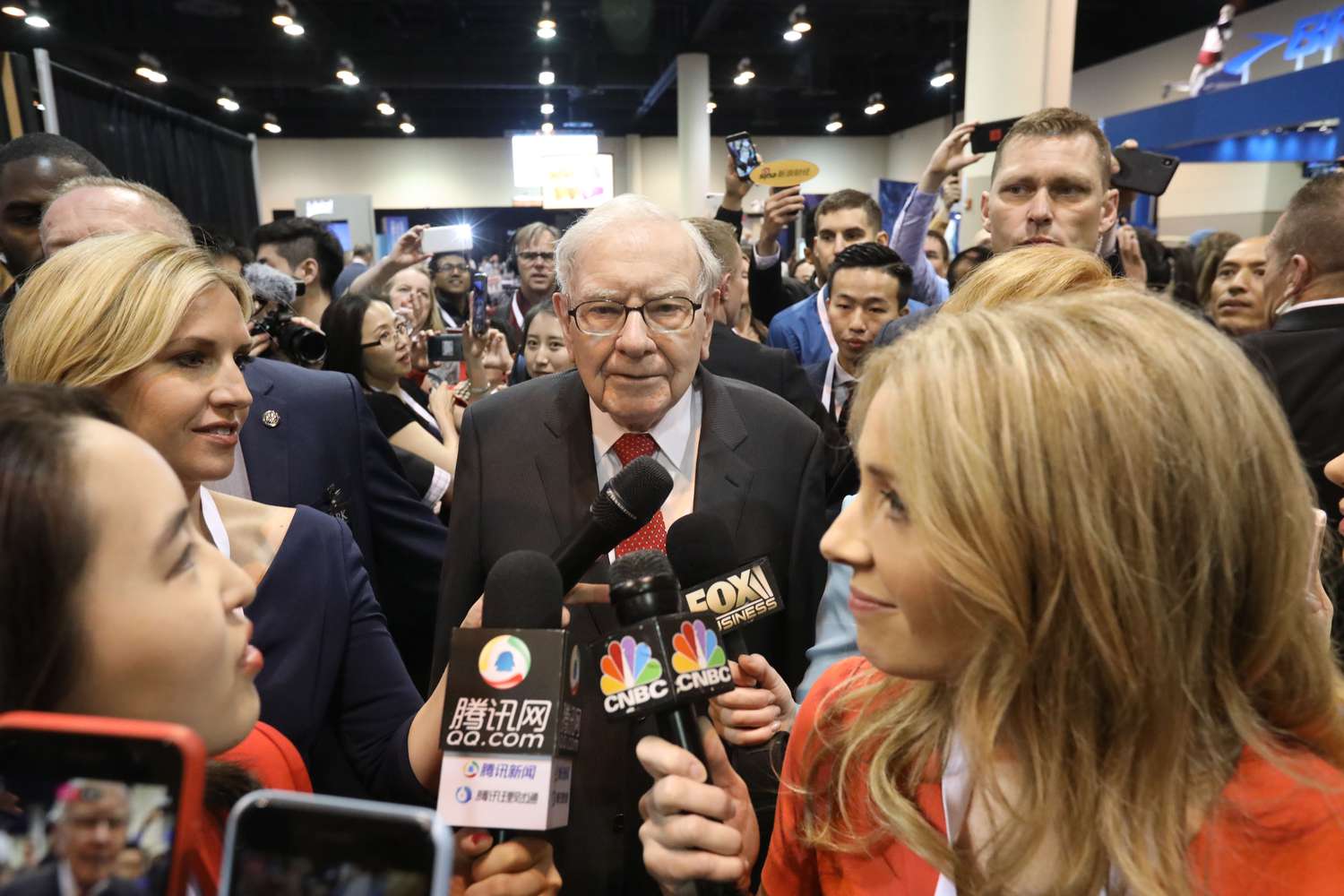
Berkshire Hathaway is one of the largest companies by market capitalization, with one of the most expensive stock prices. Investors are closely watching the company as its highly respected CEO, Warren Buffett, prepares to retire at the end of the year.
Berkshire’s cash stash hits record high
The conglomerate’s cash reserve rose again after falling slightly to $344.1 billion in the second quarter. The vast majority of Berkshire’s cash reserves are invested in short-term Treasury bills.
Cash reserves are important to Berkshire shareholders because they are often considered “dry powder”: money that can be invested in businesses that meet Berkshire’s value-focused investment and acquisition strategy.
The record pile of cash could indicate that Buffet is waiting for a good deal. Investors don’t see big gains from holding cash and Treasury bills. Instead, the company is generating low-risk returns while likely waiting for better deals in the stock market.
No buybacks
Once again, the company refrained from buying back shares.
This extends one of the longest non-buyback periods since Buffett received expanded buyback authority in 2018. Companies often buy back shares when they believe they are undervalued. Buybacks increase investor returns by increasing the proportion of earnings each share is worth.
Investors Watch CEO Transition Closely
Investors have been keeping a close eye on the company since the “Oracle of Omaha” announced he would step down as Berkshire’s CEO at the end of the year.
Berkshire’s class B shares are up 6.1% so far this year, lagging the benchmark S&P 500’s 16.3%. This is the opposite of last year, when the conglomerate’s shares slightly outperformed the broader market.
The company’s stock growth is likely being hurt by a loss in what analysts call the “Buffett premium.”
Analysts say traders’ confidence in Buffett’s investment abilities gave the company higher valuations for many years. Now that he’s handing the reins to Vice President Greg Abel, the company may not benefit from that goodwill.
